Ghana vs Nigeria Jollof: The Great Rivalry, Explained
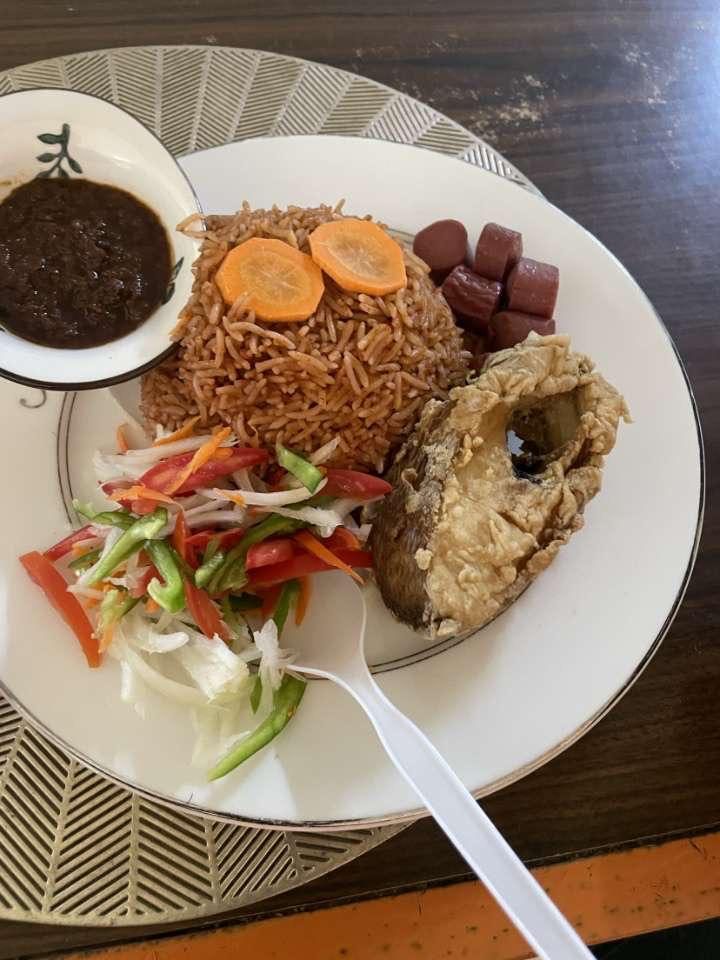
Few food debates are as joyfully heated as the one between Ghana and Nigeria over jollof rice. It has spawned songs, memes, international cook-offs, and a football rivalry nicknamed the "Jollof derby." But strip away the banter and there are real, tasteable differences worth understanding — and a shared origin that belongs to neither country.
First, the truth about origins
Here is the twist that quietly settles part of the argument: jollof did not begin in Ghana or Nigeria. Food historians trace it to the Wolof people of the Senegambia region — today's Senegal and The Gambia — where the ancestral dish thieboudienne (a one-pot of rice, fish and tomato) took shape. The very word "jollof" echoes "Wolof." Senegal's thieboudienne has even been recognised by UNESCO as intangible cultural heritage. The dish then spread and evolved across West Africa, with each nation making it their own. We map that journey in the story of World Jollof Day.
The biggest difference: the rice
If you remember one thing, remember this. The two styles start from different grains, and that single choice cascades into everything else:
- Ghana: aromatic long-grain or jasmine rice. Fragrant, slightly softer, perfumed.
- Nigeria: parboiled long-grain rice. Firmer, prized for soaking up the smoky base without going soft.
This is why the two jollofs feel so different in the mouth even before you taste the seasoning. Our best rice for jollof guide goes deep on why grain choice matters so much.
Flavour and heat
The seasoning philosophies diverge too:
- Ghana leans aromatic and warm — curry powder, thyme, ginger — for a fragrant, rounded, generally milder pot.
- Nigeria leans hotter and smokier, with a bold pepper kick and that famous charred "party jollof" depth.
Neither is "right." They are simply two different expressions of the same idea. If you want to chase the Nigerian-style smoke at home, we show you how in smoky party jollof flavour.
Why the rivalry matters
The Jollof Wars caught fire in the 2010s, largely online. In 2016 the Ghanaian artist Sister Deborah released the playful track "Ghana Jollof," and the memes never stopped. Beneath the ribbing, though, something lovely happened: the rivalry pulled West African food onto the world stage and brought diaspora communities together to celebrate a shared heritage. A fight that looks like division is, in practice, a giant act of collective pride.
Can you settle it at home?
Honestly, the best way to understand the debate is to cook both. Make a Ghana-style pot with jasmine rice and a warm spice base, then a Nigerian-style pot with parboiled rice and a smokier, hotter base. Taste them side by side. You will stop asking which is better and start appreciating why each country is so proud. Cooking for a crowd to host your own taste test? The Jollof Party Calculator scales either style.
The bottom line
Ghana and Nigeria jollof differ most in the rice (aromatic versus parboiled), then in heat and aromatics (warm and fragrant versus smoky and fiery). Both descend from the Wolof kitchens of Senegambia. The rivalry is real, the differences are real, and the smartest move is to learn to love both — starting with a proper pot of Ghana jollof.
Frequently asked questions
What is the difference between Ghana and Nigeria jollof?
Where did jollof rice originate?
Which jollof is better, Ghana or Nigeria?
What are the Jollof Wars?
Keep reading
Put it into practice
Scale any pot to your guest list with the Jollof Party Calculator, then gear up with our pantry & kitchen picks.
Open the calculator