How to Get That Smoky Party Jollof Flavour at Home
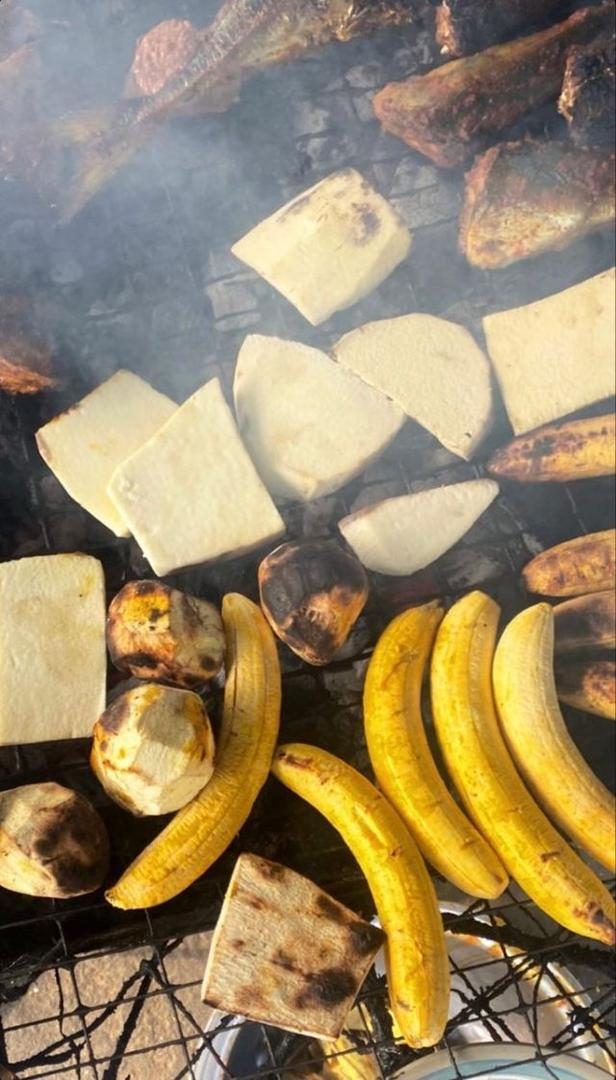
Ask anyone what makes a wedding or street-vendor jollof taste better than the home version, and you will hear one word: smoky. That faintly charred, toasty depth is the holy grail. Here is where it really comes from, and how to chase it on an ordinary stove without ruining your pot.
Where the smoke actually comes from
Classic party jollof is cooked outdoors in enormous pots over wood or charcoal. Two things happen there that a typical kitchen misses: the open flame lends genuine wood smoke, and the bottom layer of rice gently chars against the hot pot, creating a toasted crust the cooks fold back through the rice. That crust — known across West Africa by names like the bottom-pot — is the soul of the flavour.
The bottom-of-the-pot trick
This is the single most effective move at home. Once your rice is cooked through and the liquid is gone:
- Leave the pot undisturbed over the lowest heat for an extra 5 to 10 minutes.
- Listen and smell — you want a gentle toasting aroma, not acrid smoke.
- When a light golden-brown crust has formed at the base, turn off the heat.
- Gently fold that toasted layer up through the rest of the rice so its flavour spreads.
The line between "toasted" and "burnt" is heat and time. Low and watchful gets you crust; high and forgotten gets you charcoal. A heavy, even pot makes this far easier to control — see our jollof pantry & kitchen picks.
Build smokiness into the base
Flavour also comes from earlier in the cook. Frying the tomato paste until it darkens, and cooking the blended base down until the oil rises, develops roasted, caramelised notes that read as depth and smoke. A thin, underdone base can never taste like party jollof no matter what you do at the end. Master it with the tomato base guide.
A note on smoky seasonings
Some cooks add a small amount of smoked seasoning — a pinch of smoked paprika, or smoky elements common in Nigerian-style pots — to nudge the flavour. Use a light hand: this is a supporting note, not the main event, and Ghana jollof in particular prizes its warm, aromatic character. If you are exploring the smokier, hotter end of the spectrum, that is firmly Nigerian territory in the friendly rivalry.
Equipment that helps
You do not need a fire pit. You do need even heat. A heavy, enameled Dutch oven holds steady low heat and forms a controlled crust without the hot spots that scorch thin pans.
Enameled Cast-Iron Dutch Oven
Even, steady heat and a heavy lid are how you steam rice without scorching it — or how you build a deliberate, gentle bottom-of-the-pot crust for party flavour.
High-Power Countertop Blender
A silky-smooth tomato, pepper and onion base is the difference between good jollof and great jollof. A strong blender purees it in seconds, skins and all.
The bottom line
Smoky party jollof is mostly technique, not magic. Build a deep, well-fried base, then let the finished rice form a gentle golden crust over the lowest heat and fold it back through. Watch it like a hawk so toasted never tips into burnt, use a heavy pot, and you will pull restaurant-grade flavour out of a home kitchen. Put it all together with the full recipe.
Frequently asked questions
What gives party jollof its smoky flavour?
How do I get smoky jollof without a fire?
Is the burnt bottom of jollof supposed to happen?
Does the type of pot matter for smoky jollof?
Keep reading
Put it into practice
Scale any pot to your guest list with the Jollof Party Calculator, then gear up with our pantry & kitchen picks.
Open the calculator